On one of the hottest days of the year so far, we embarked on a walk from Leigh in Sea to Southend on Sea in Essex.
We’d arrived in Leigh to see the music festival but were disappointed to discover that it now takes place in the town rather than by the harbour, so we elected to go for a coastal walk instead.
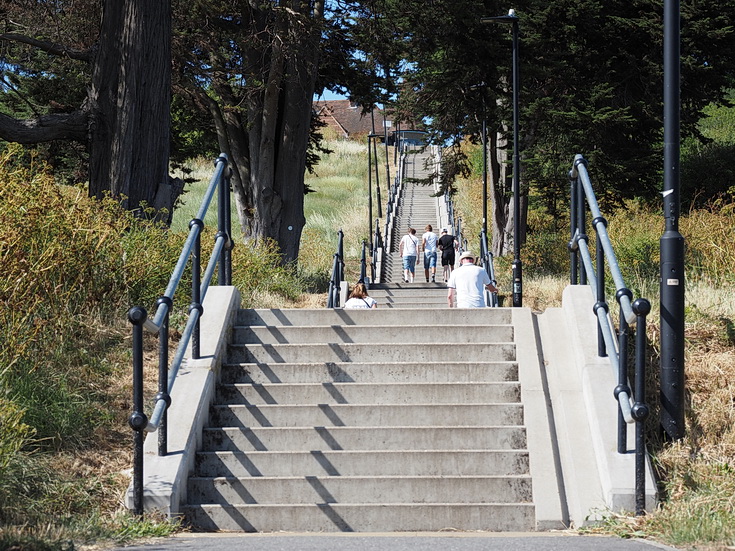
Outside the station you can see the hefty flight of stairs leading up to the town.
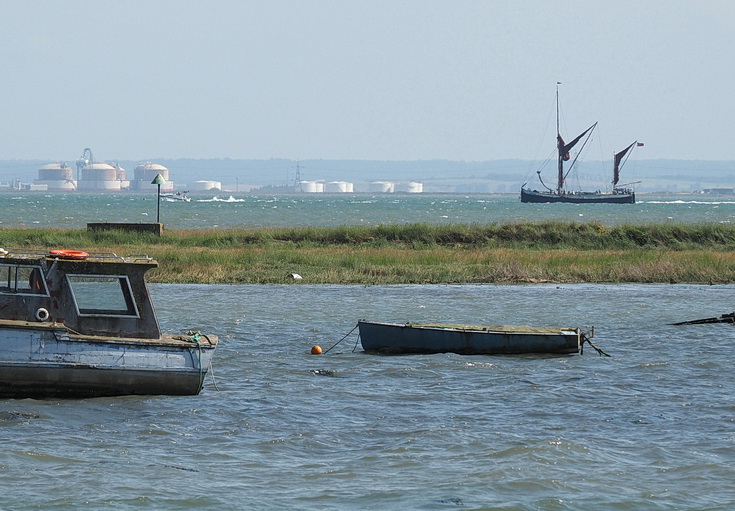
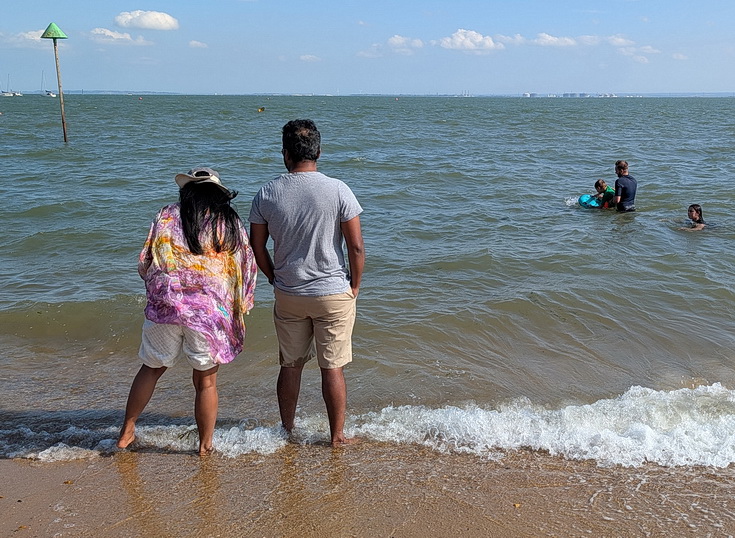
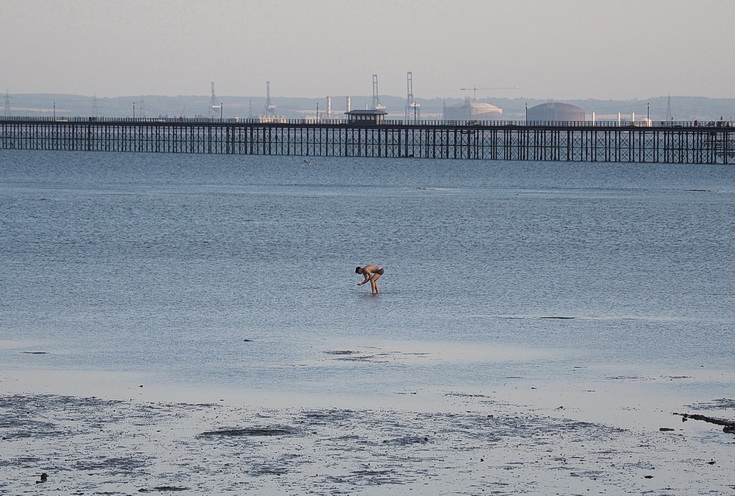
Looking south across the Thames estuary, with the oil terminals in the distance.
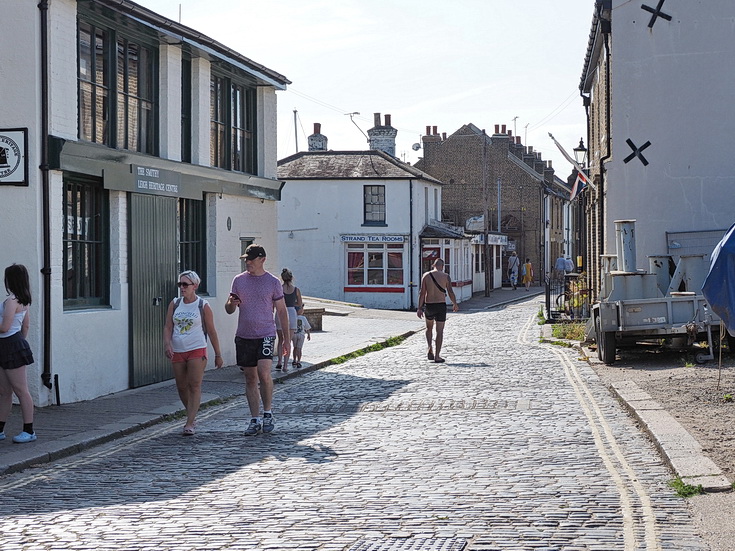
The riverside streets were quiet compared to previous festival days.
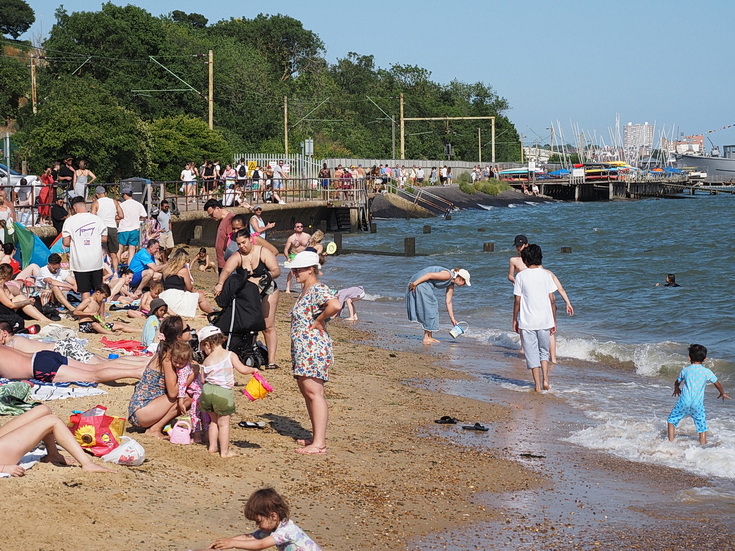
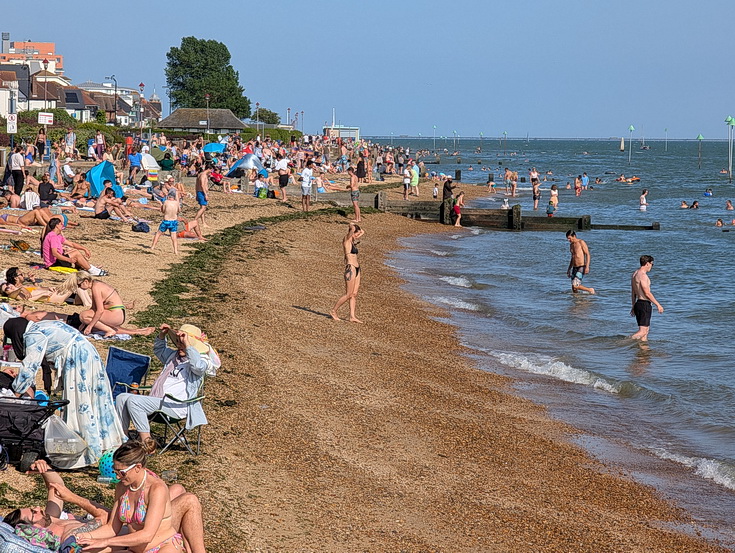
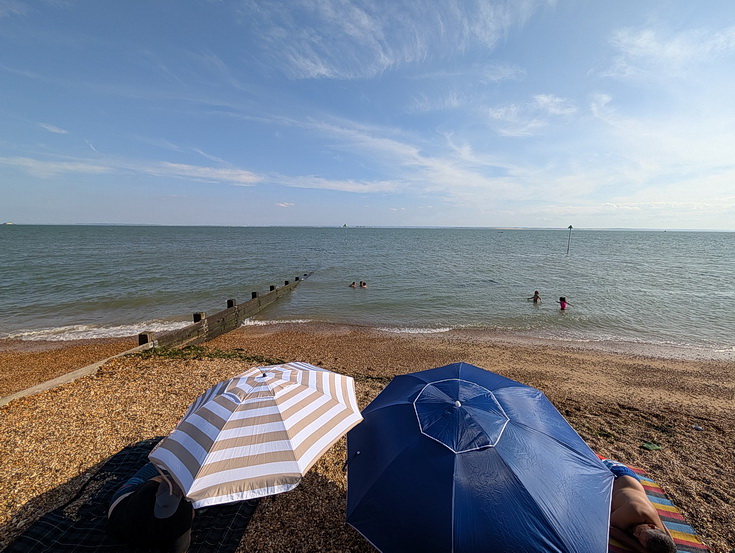
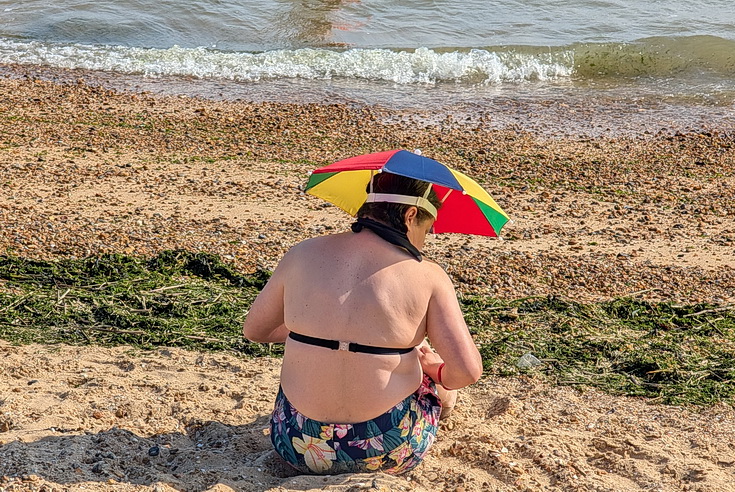
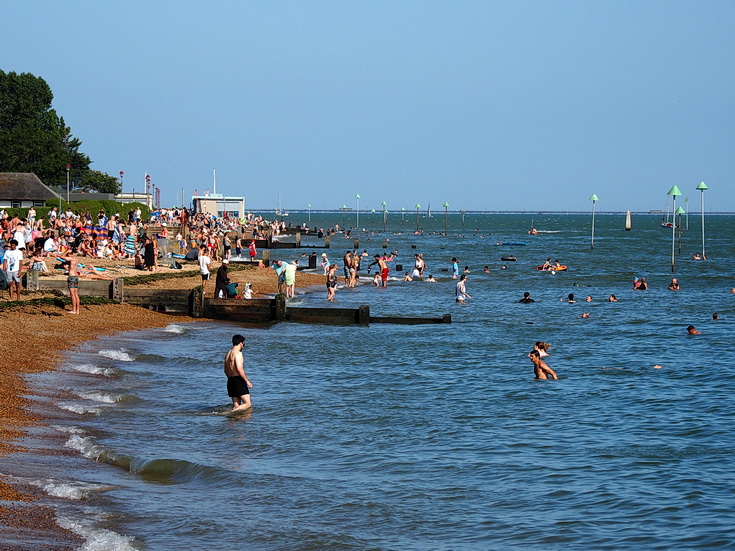
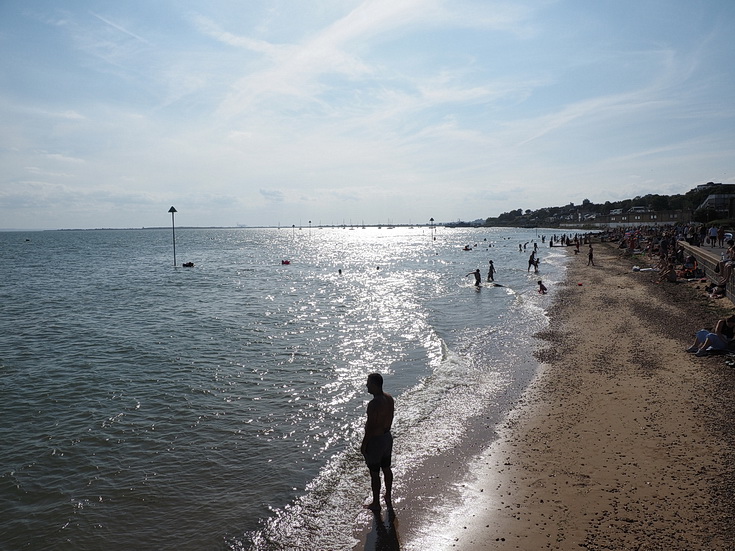
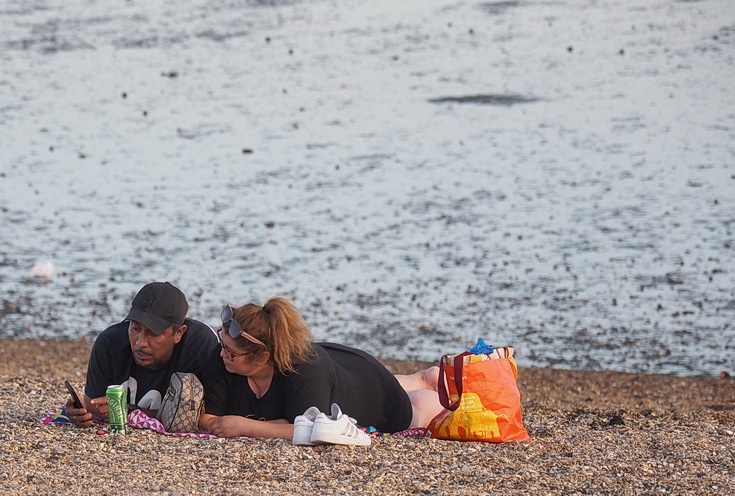
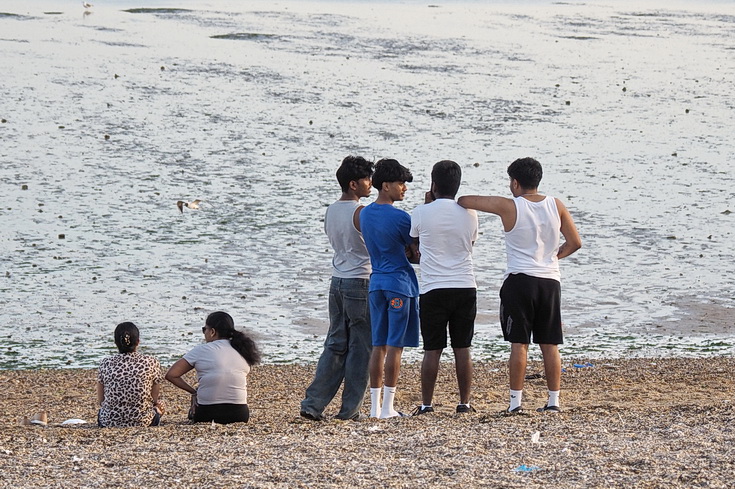
With temperatures soaring way above 30 degrees C, the beaches were packed all along the walk to Southend.
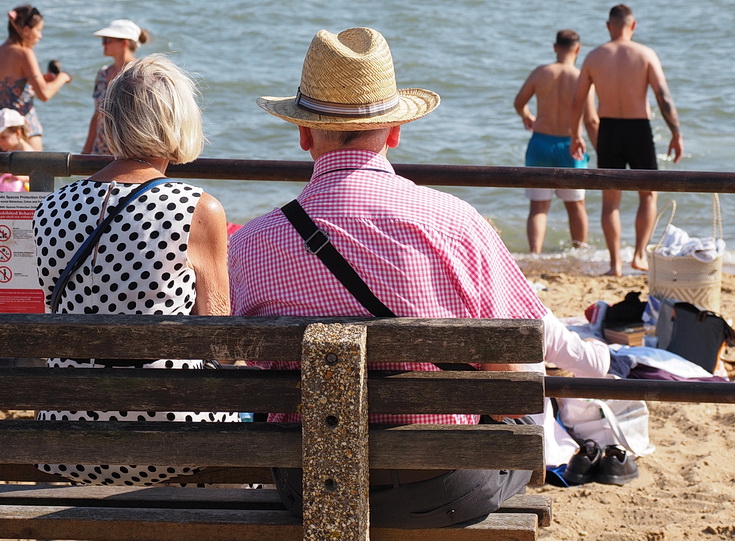
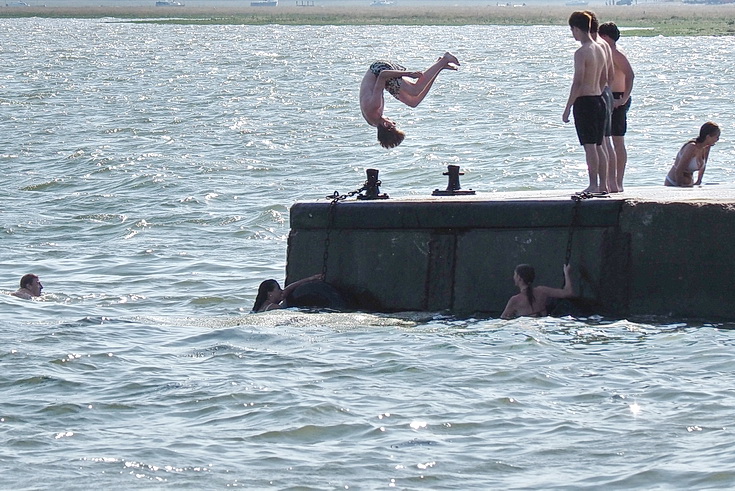
Diving into the Thames.
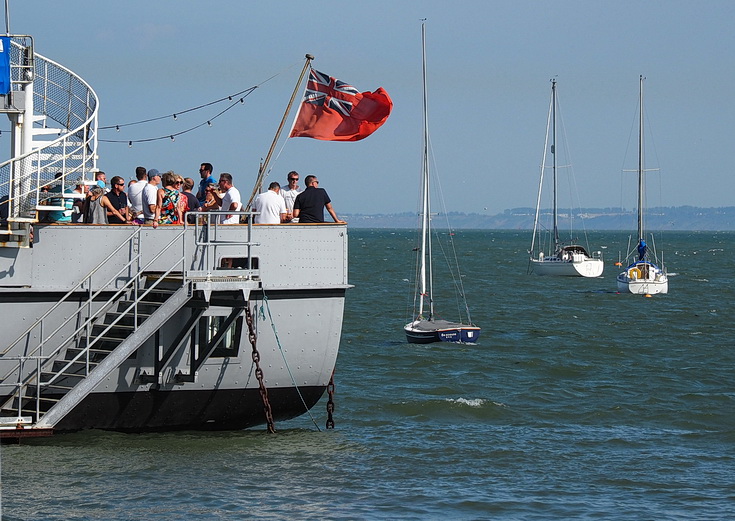
Essex Yacht Club drinkers.
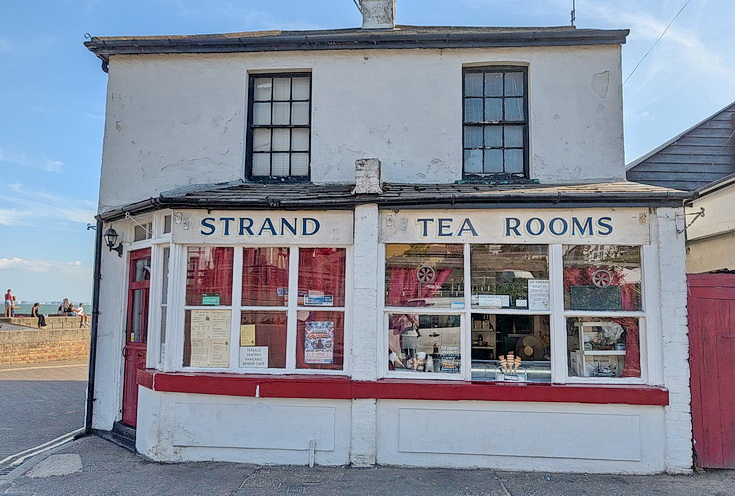
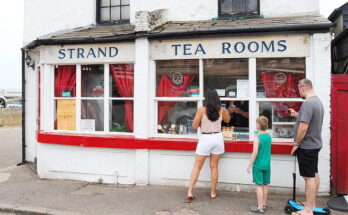
The Oldest Café in Old Leigh – and indeed Essex – the Strand Tea Rooms has a long and colourful history.
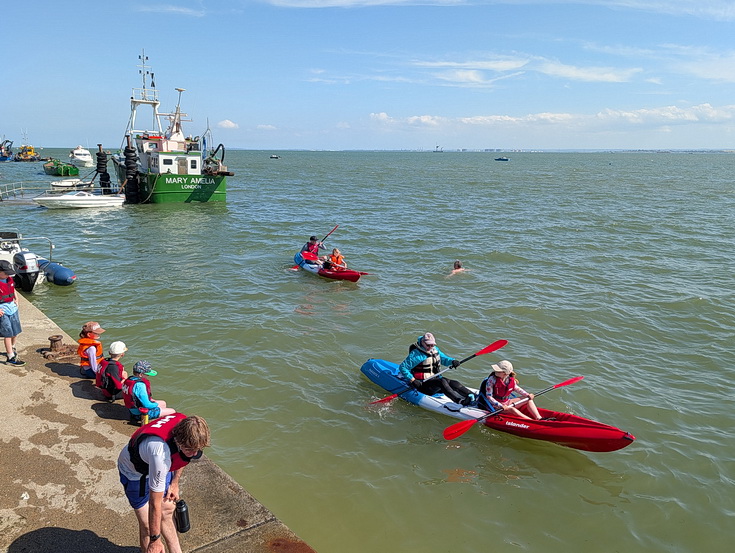
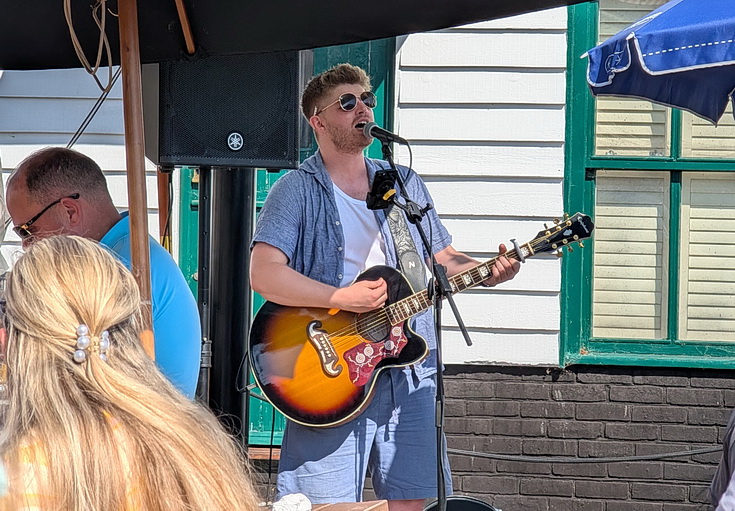
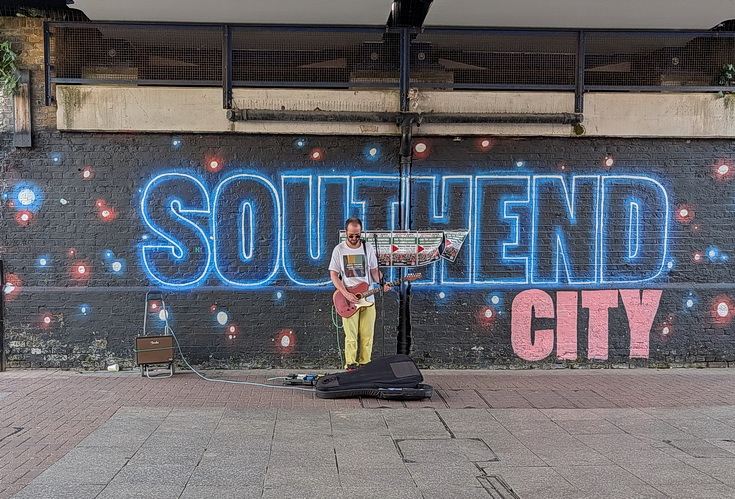
We only spotted one performer by the riverside.
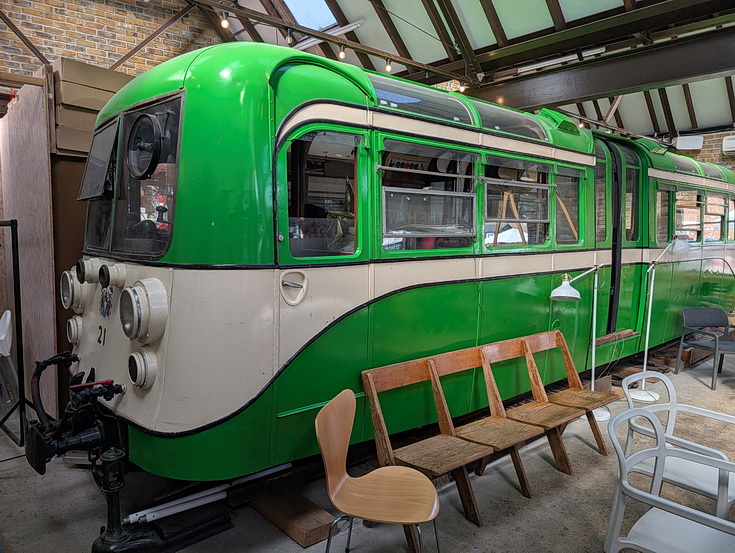
We stopped off at the lovely Hatch cafe/bar which – for some reason – hosts this wonderful old green tram.
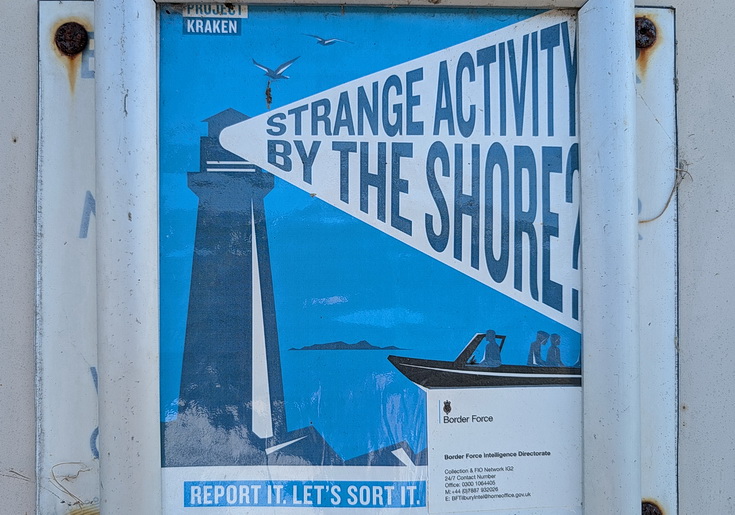
Acker Bilk wrote the international hit Stranger on the Shore in 1961, but nowadays it’s all about looking for Strange Activity By The Shore.
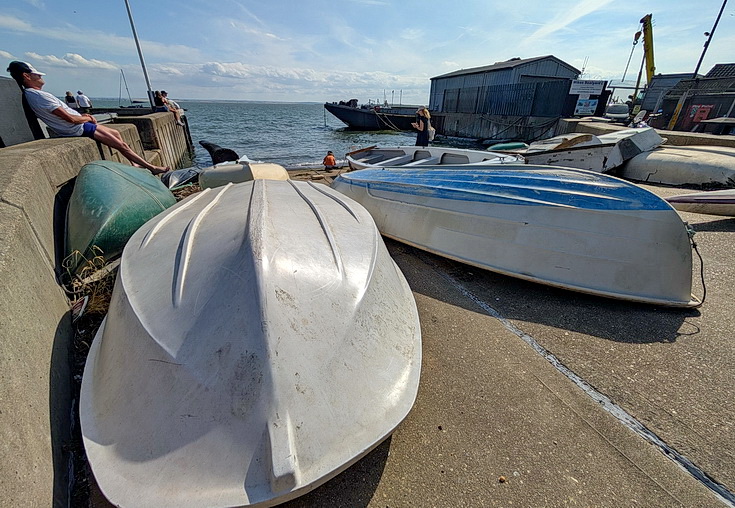
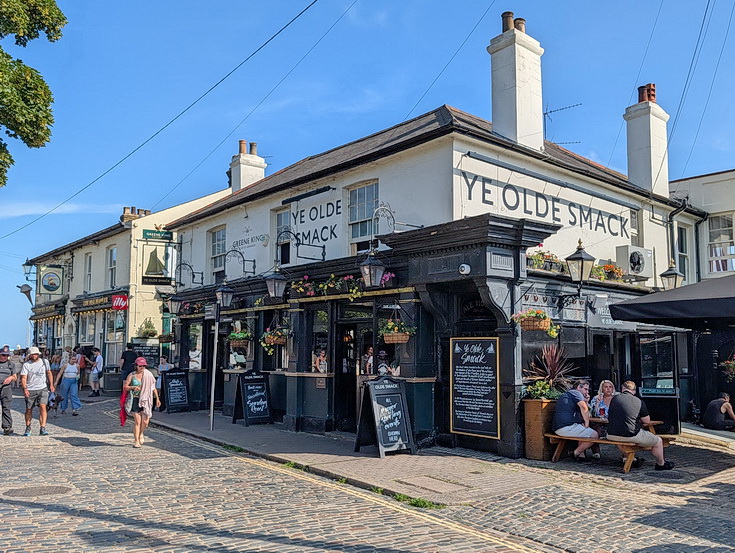
Situated on Old Leigh’s cobbled High Street, Ye Olde Smack dates back to at least 1691, with the current building being constructed in 1852.
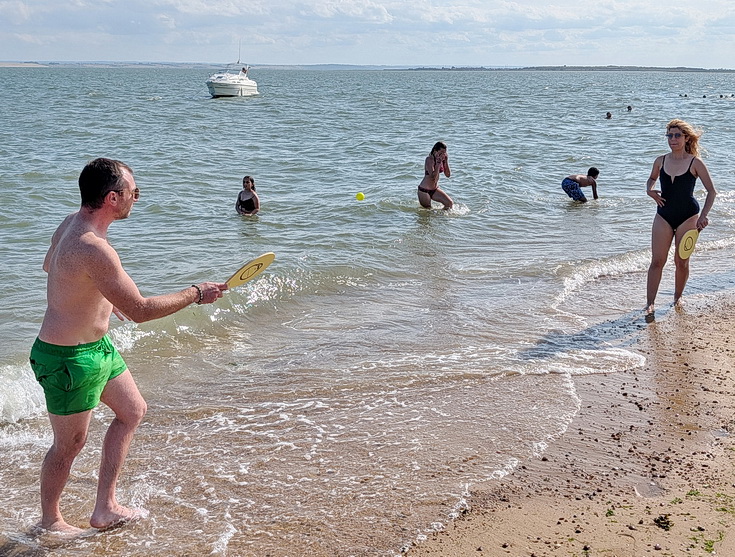
Bat and ball by the waterfront.
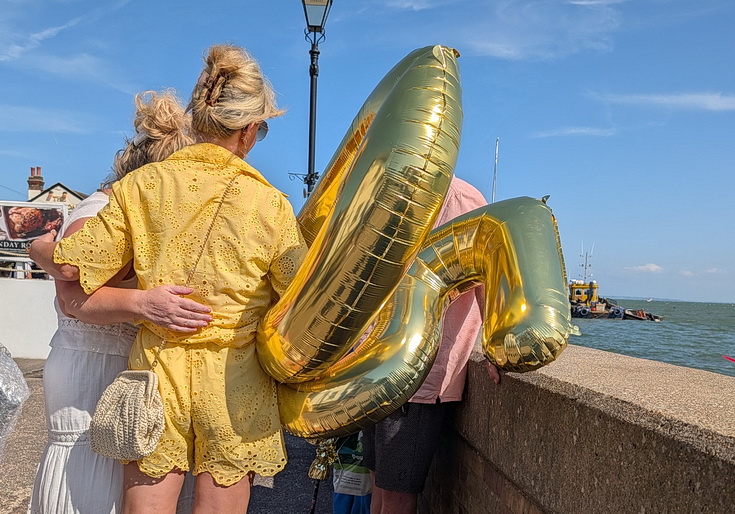
50th birthday party on the move.
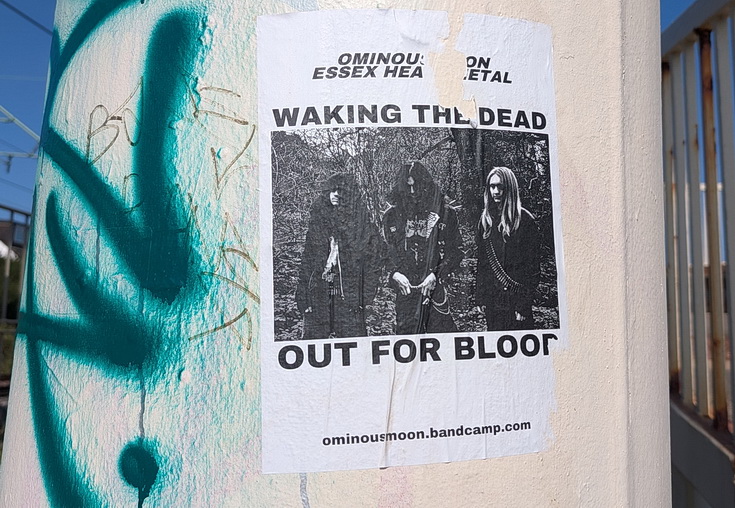
Heavy Metal poster.
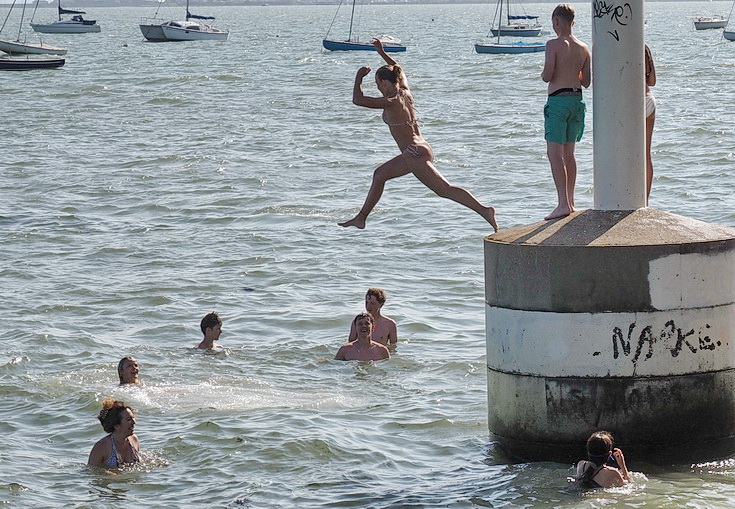
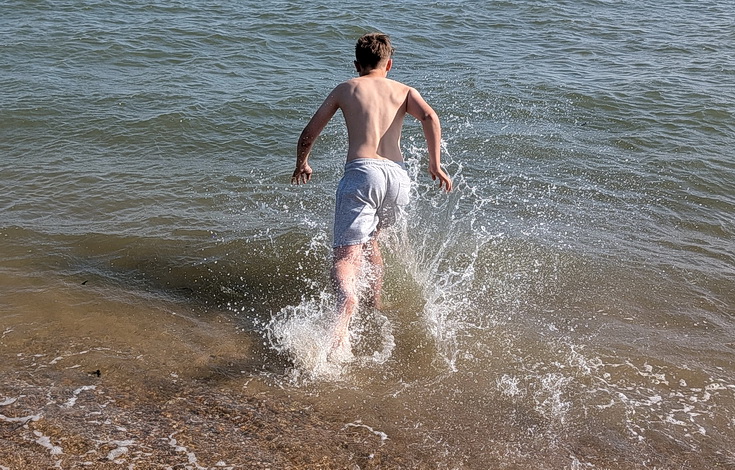
Jumping into the sea.
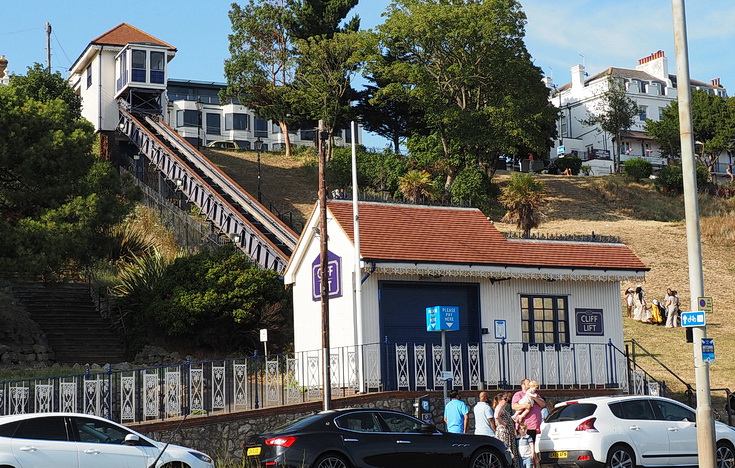
Southend’s Cliff Lift is one of only a few surviving funicular railways and is now Britain’s shortest railway. and the only single track funicular railway in Britain.
Constructed in 1912, the 40m (130ft) lift is currently open 10 – 3pm each day if a volunteer operator is available.
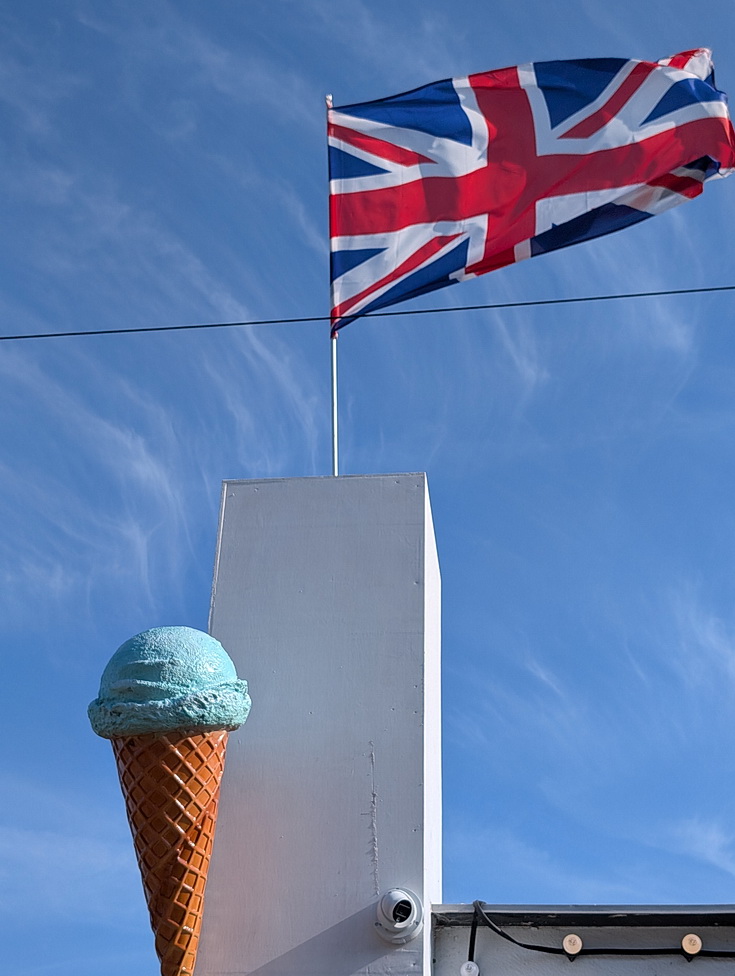
Flag and ice cream.
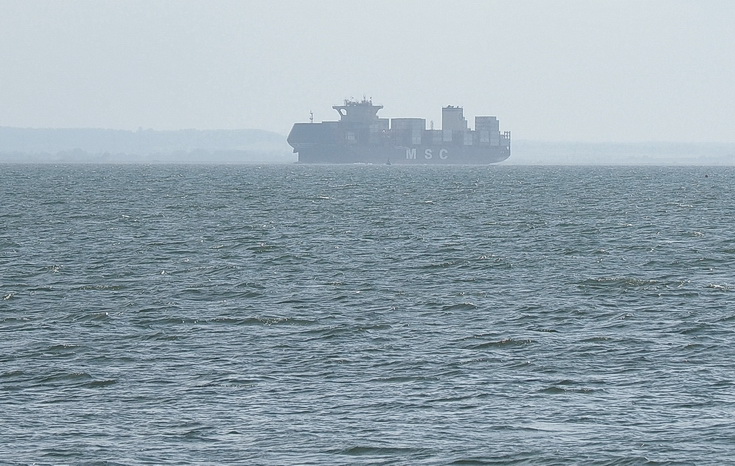
Cargo ship heads east.
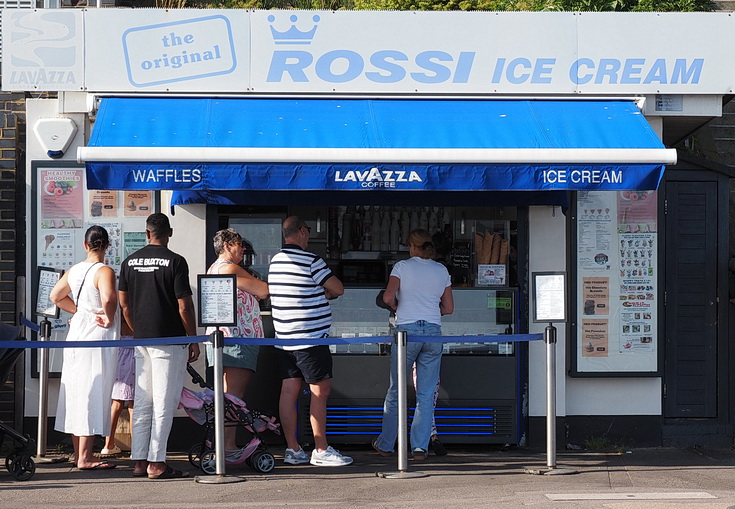
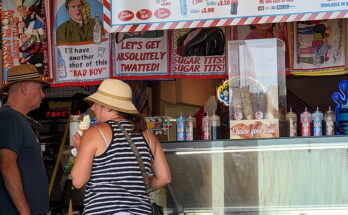
You can’t move in Southend for Rossi ice cream outlets.
The original Rossi ice cream company was brought to the area in 1931 by Massimiliano Agostino Rossi and his wife Anna.
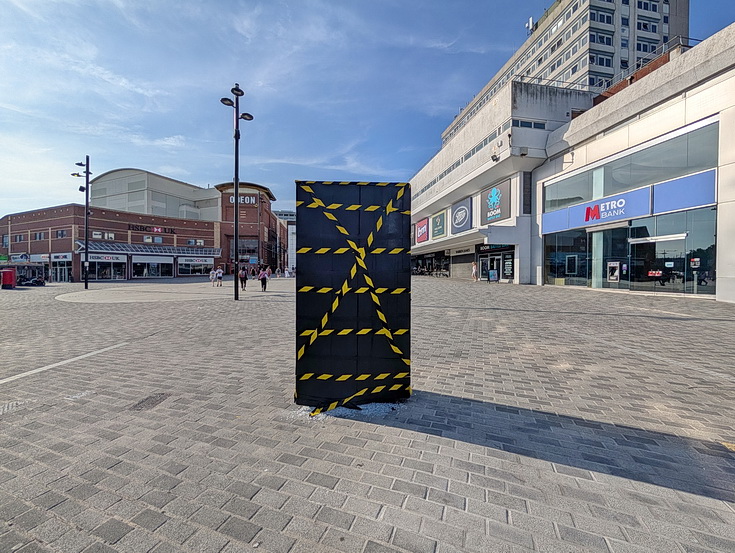
The uninspiring Victoria Shopping Centre, complete with broken information screen.
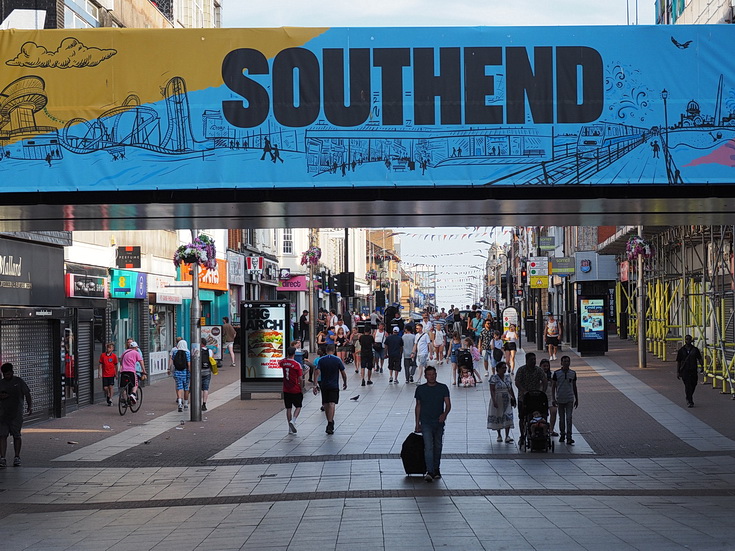
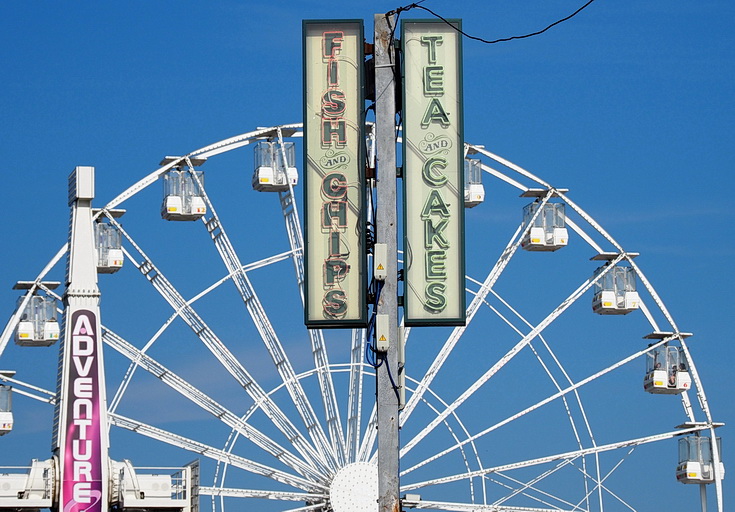
Fish & Chips, Tea & Cakes.
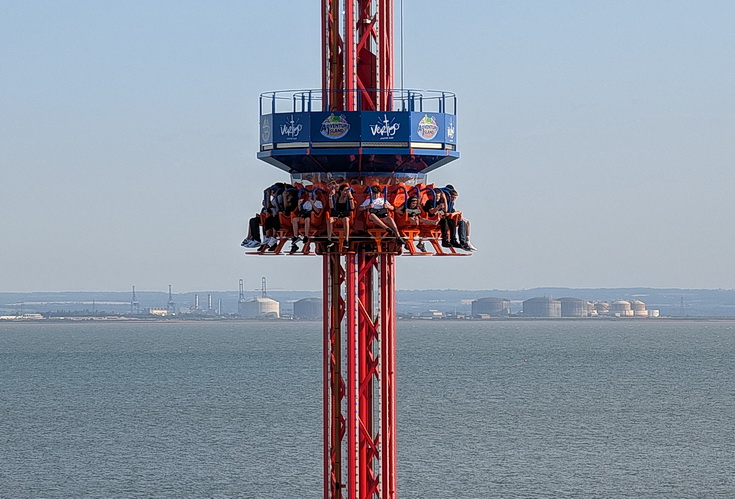
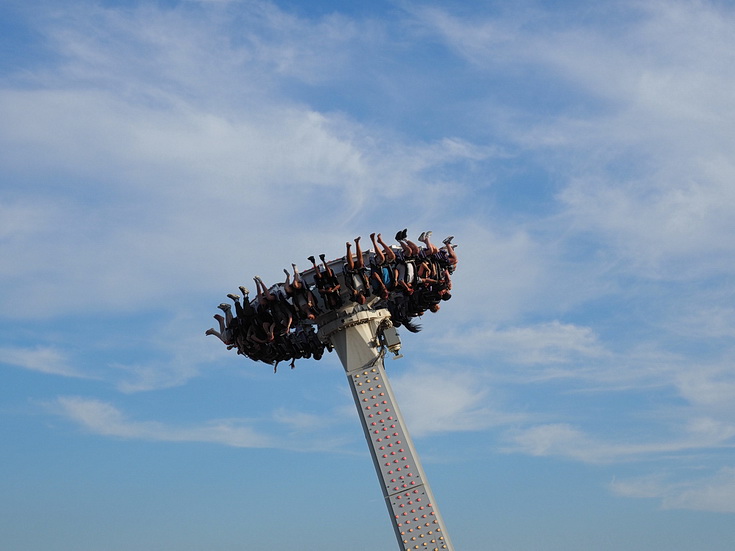
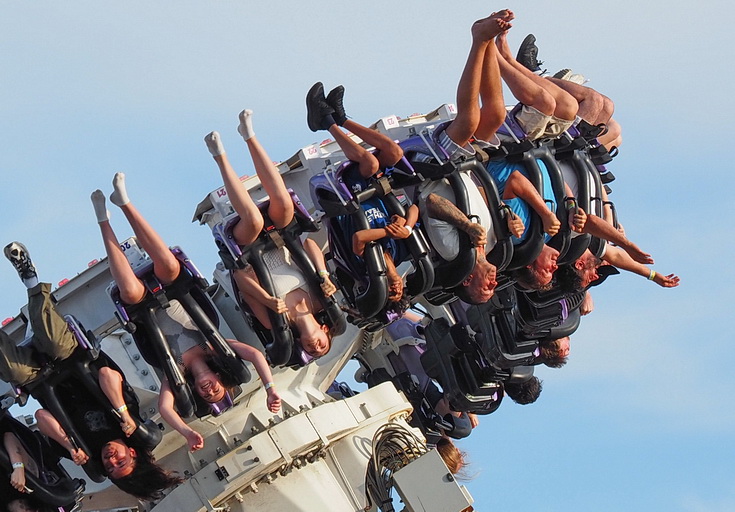
Southend’s fun fair was full of thrill seekers.
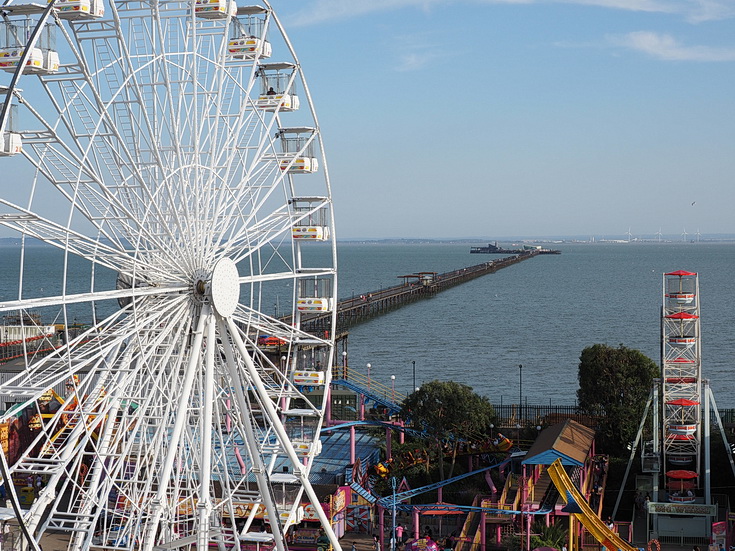
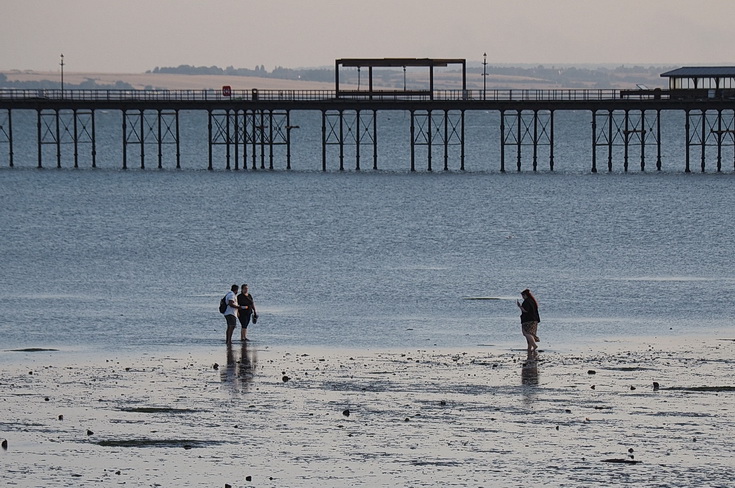
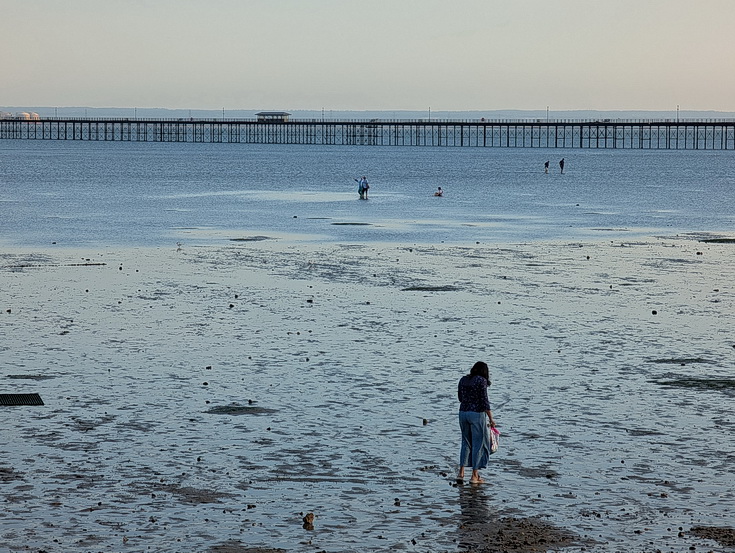
You can see the pier stretching out to sea.
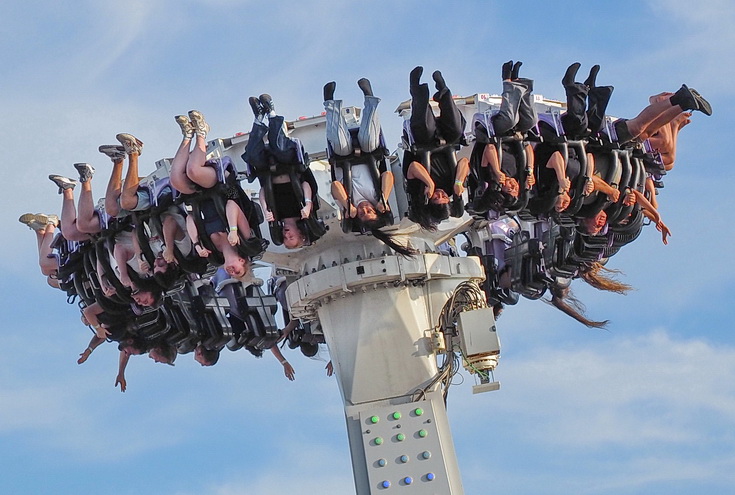
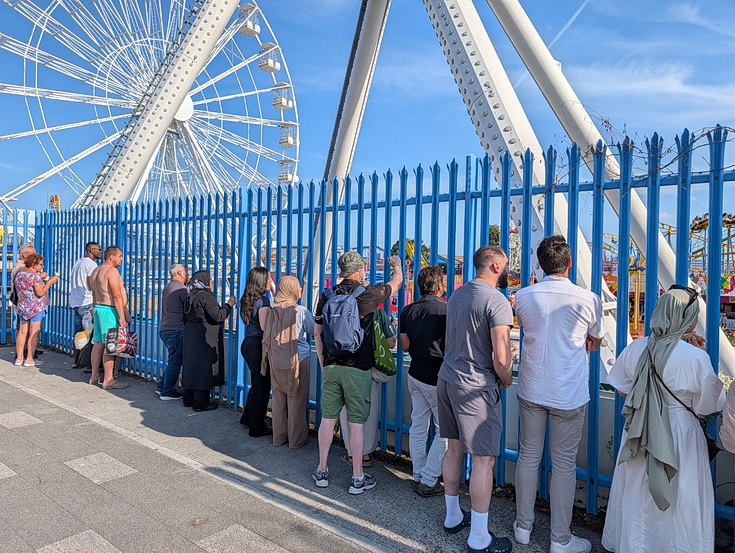
Watching the riders.
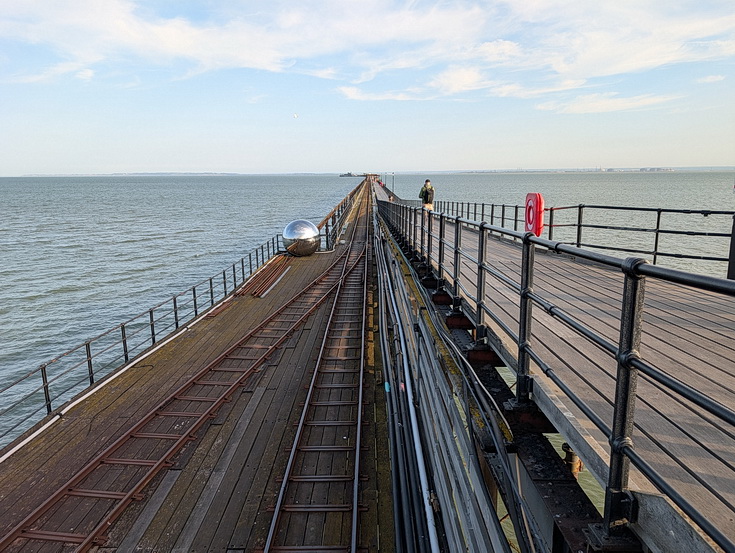
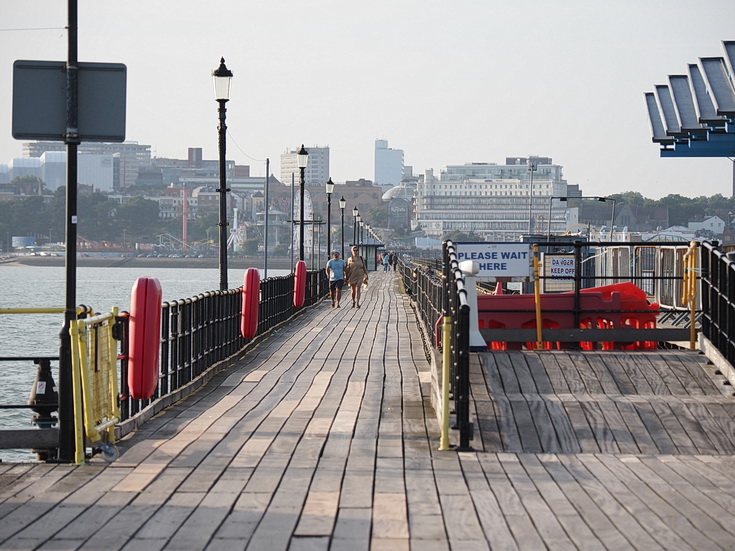
We wrapped up a very enjoyable afternoon walking the 1.3 miles to the end of Southend Pier and back.
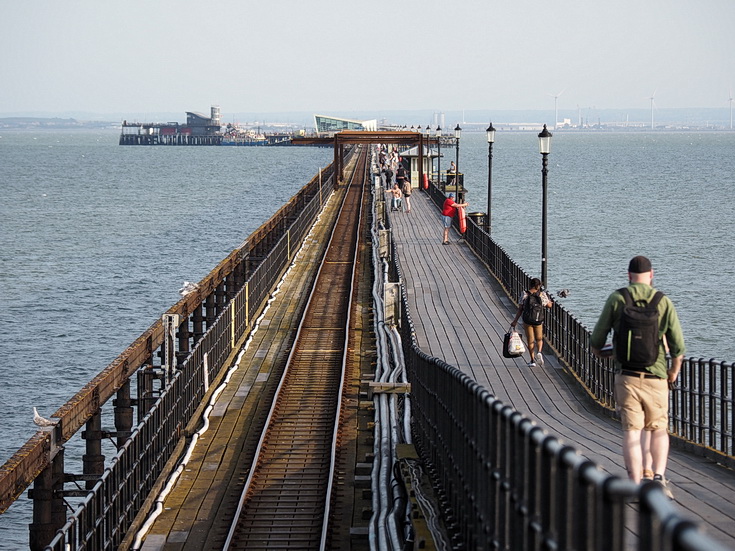
The coastline around Southend consists of vast mudflats, which means the water is never very deep, even at high tide, and it recedes over a mile at low tide.
This meant that larger passenger boats were unable to dock near the shore at high tide, and no boats at all were able to dock at low tide.
This left the town in danger of missing out on the Victorian fad for spending time by the sea, so it was decided to build a pier.
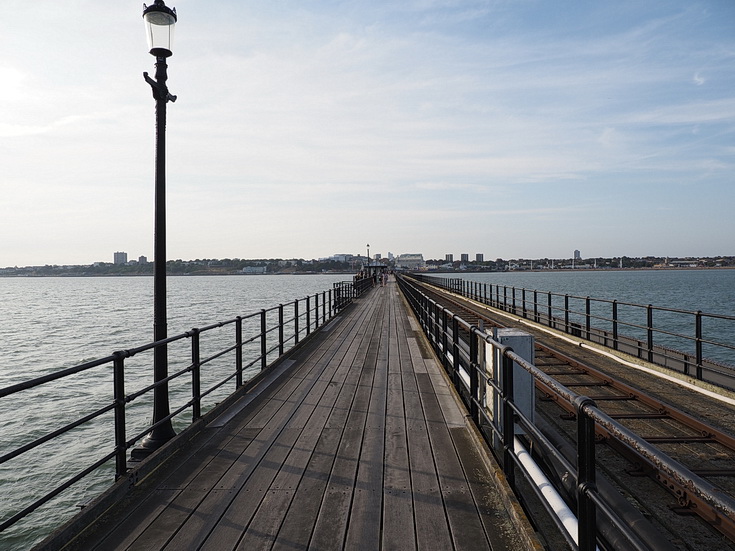
The Pier website recalls the early days of the structure:
In June 1830 a 600 foot (180 m) wooden pier was opened, using around 90 oak trees in its construction. But it was still too short to be usable at low tide, so by 1833 it had been extended to three times its length, 1,800 feet (540 m).
A further extension in 1846 meant the pier now stretched just over a mile, but it still wasn’t long enough, so a later rebuild extended it to a length of around 1.3 miles (2.1 km).
In 1848, the pier was the longest pier in Europe at 7,000 feet (2,100 m).
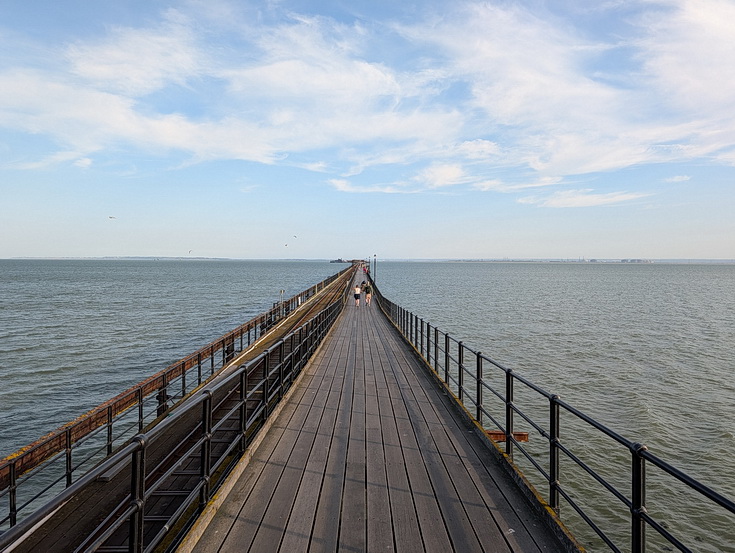
In 1899, a replacement iron pier was completed, followed by the construction of a single track electric railway starting running in 1890 – the first pier railway in the country.
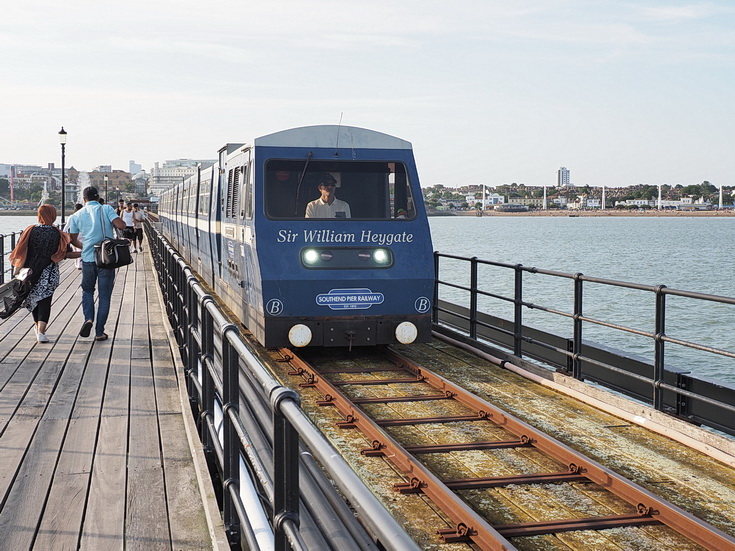
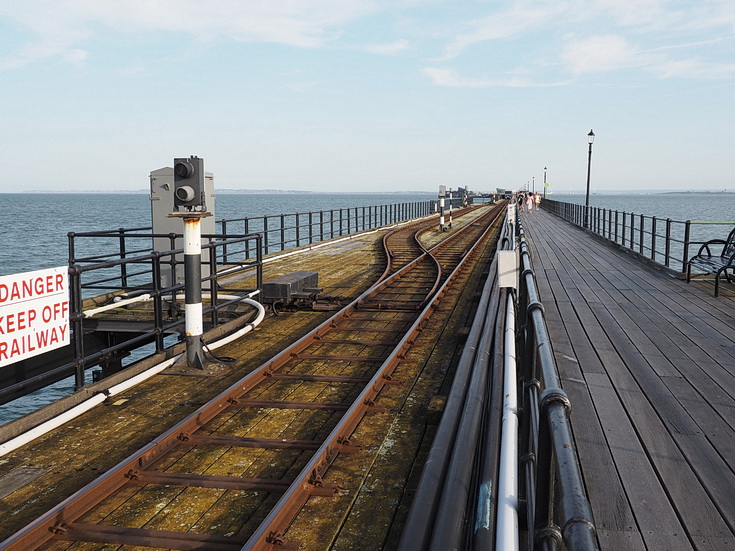
The railway was originally double track, but there’s now just a passing loop to facilitate two trains at peak periods.
Read more about the pier’s history here, which includes the near-inevitable outbreaks of unexplained fires.
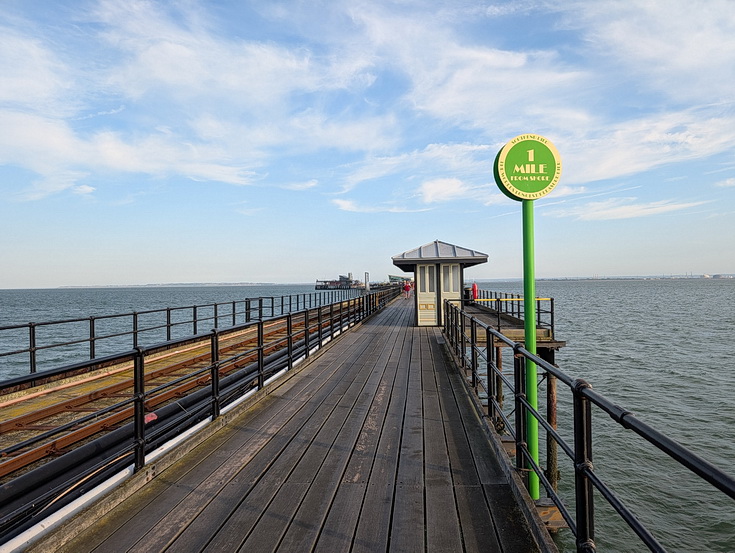
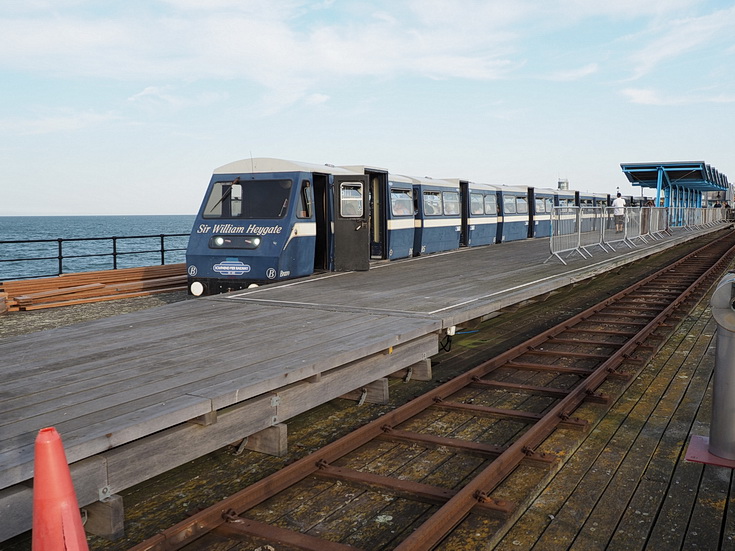
Station at the end of the pier.
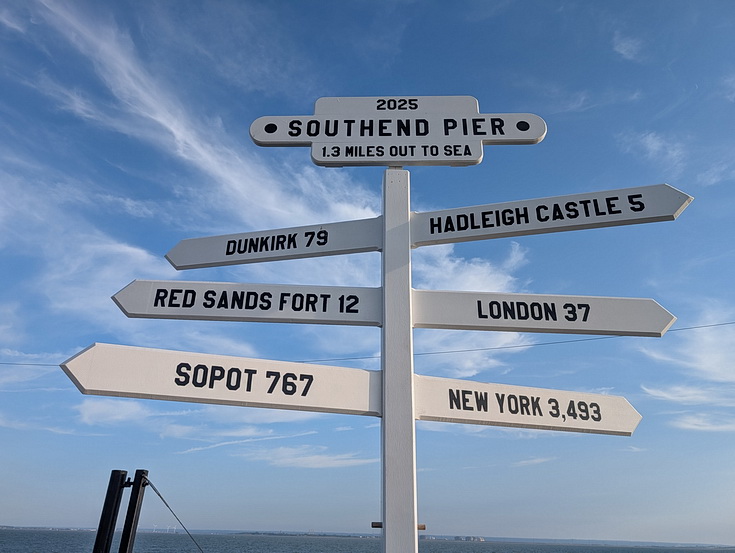
Here’s that all-important ‘Insta’ scene.
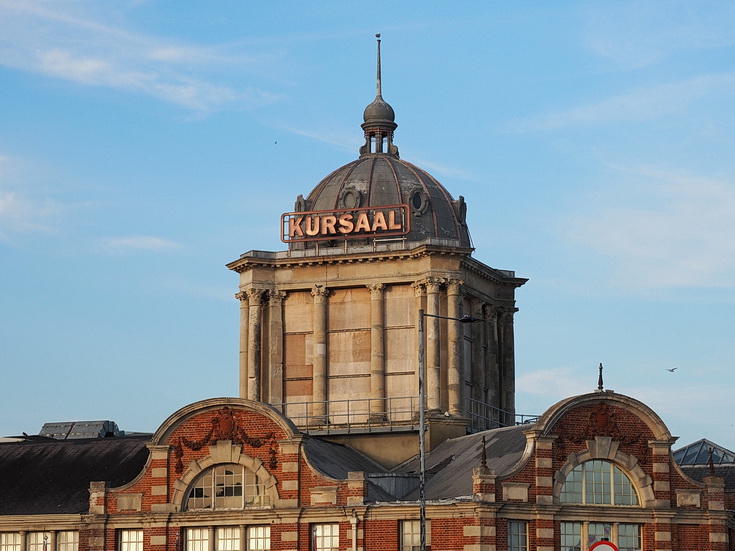
A former amusement park and Grade II listed building, the Kursaal Palace opened in 1901 and was one of the world’s first purpose-built amusement parks.
The majority of the park was closed in 1973, with the rest of the site closing in 1986. The building remained derelict until it was redeveloped in the late 1990s, opening again in 1998.
Local 1970s pub rockers The Kursaal Flyers took their name from the park, scoring their one hit, “Little Does She Know” in 1976.
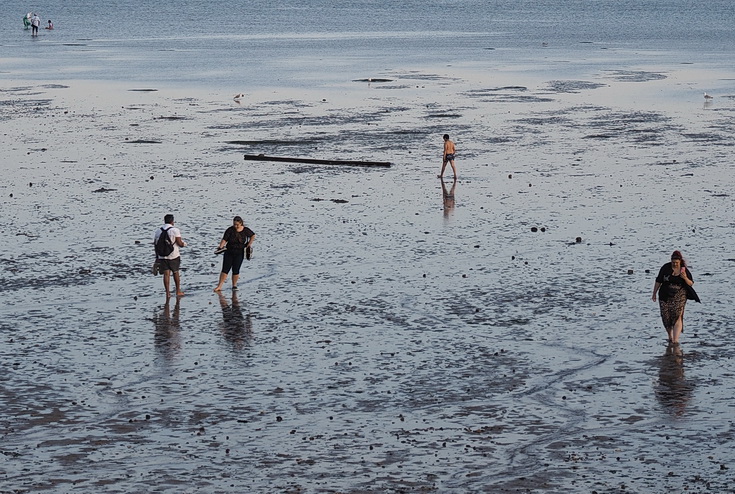
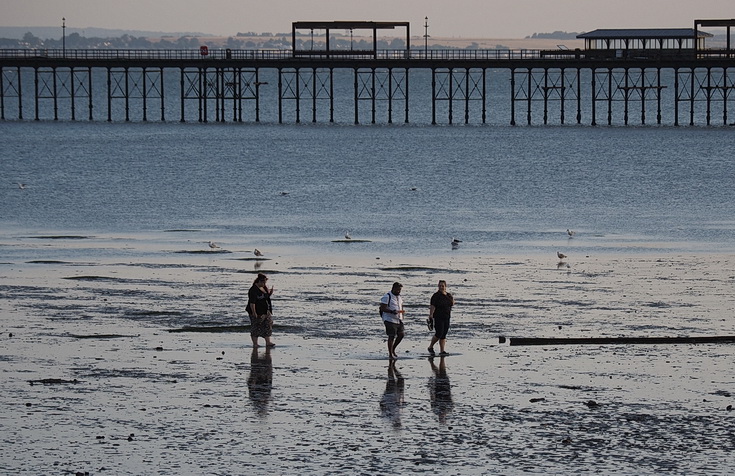
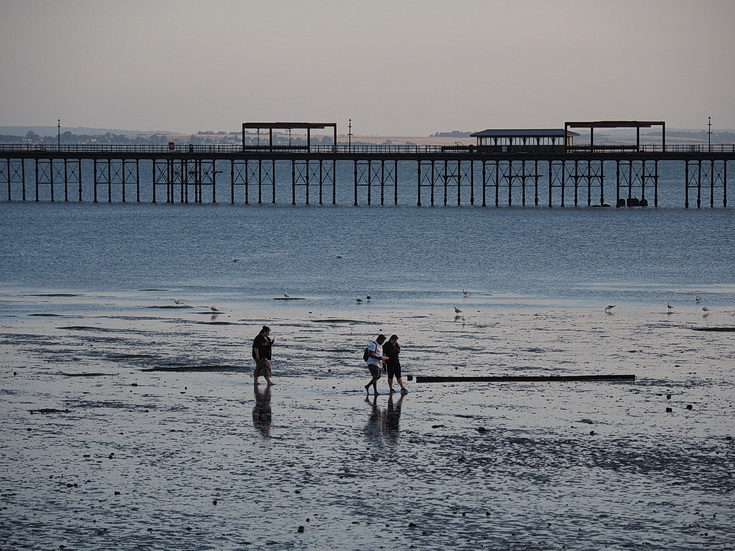
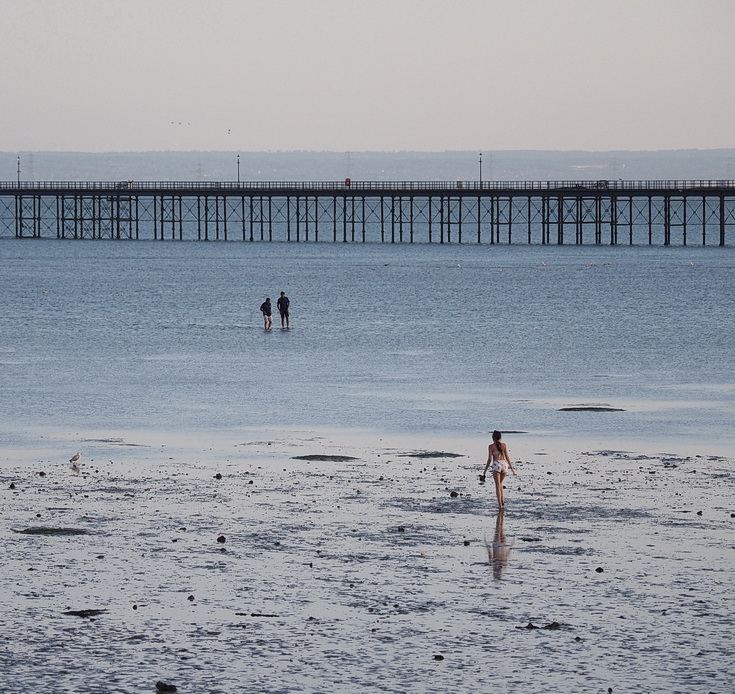
Beach views as the tide rapidly recedes.
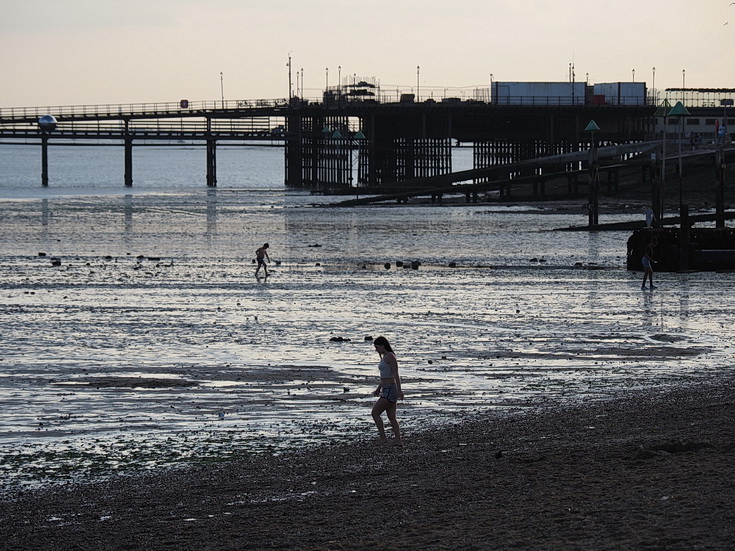
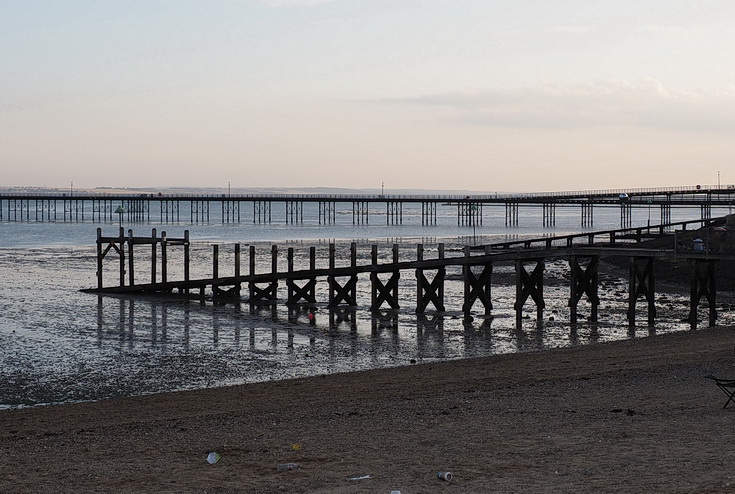
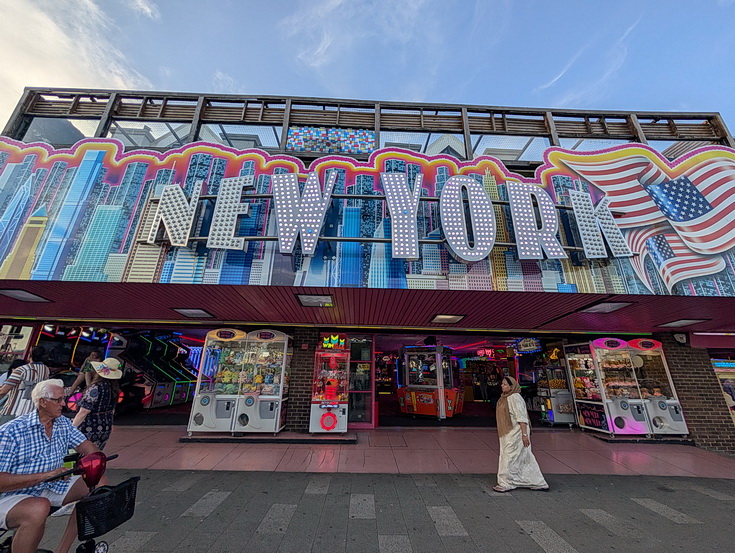
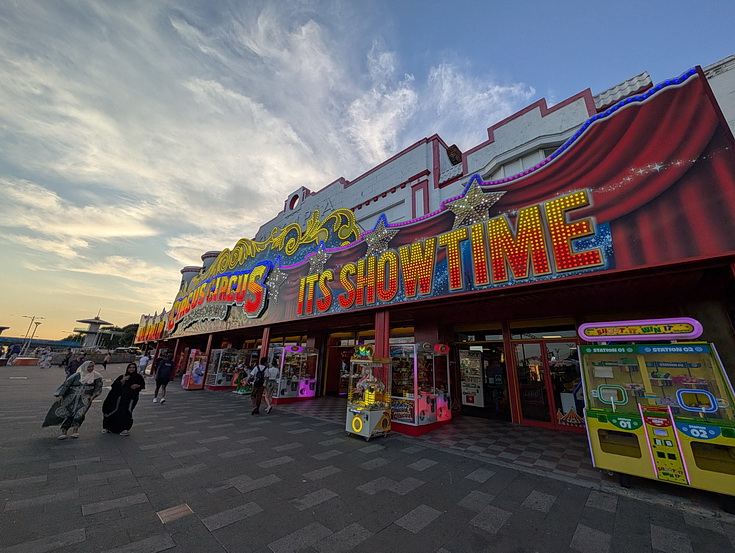
Amusement arcades along the seafront. Compared to many British seaside towns, Southend still seems to be thriving.
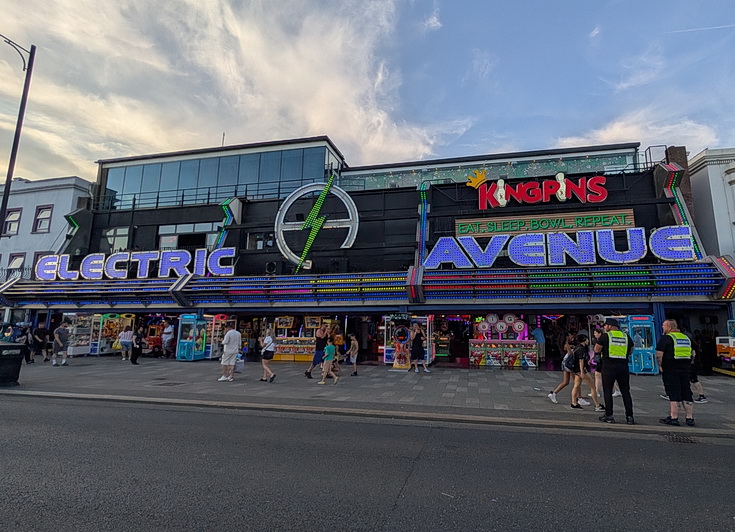
This is an imposter Electric Avenue! The real one is in Brixton.
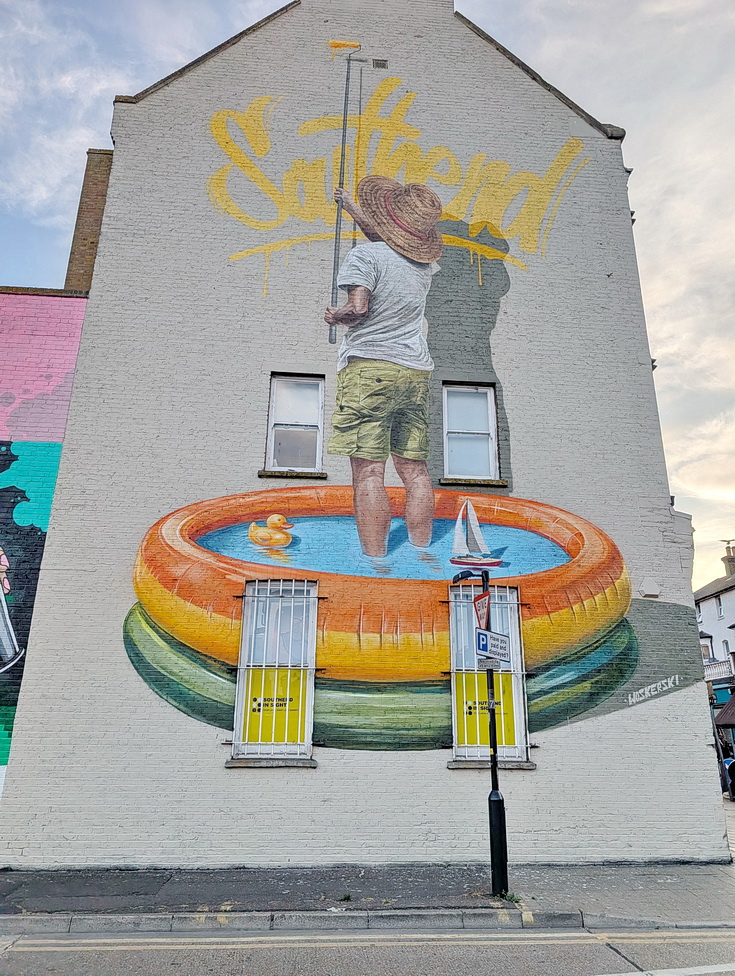
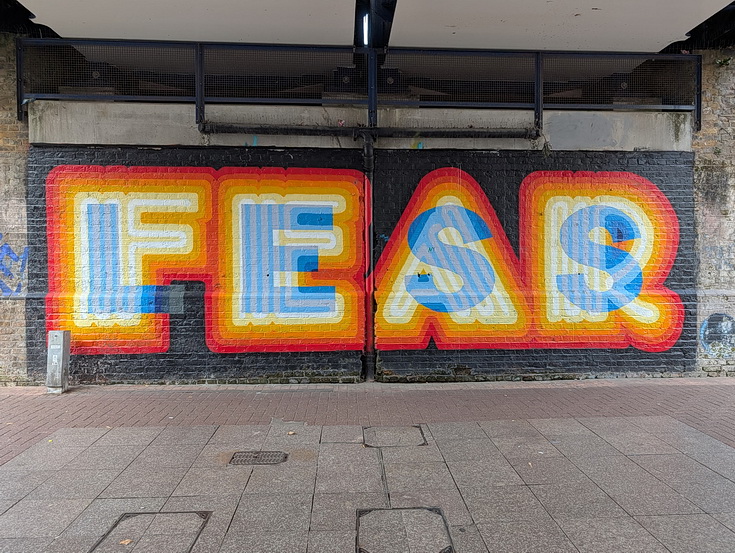
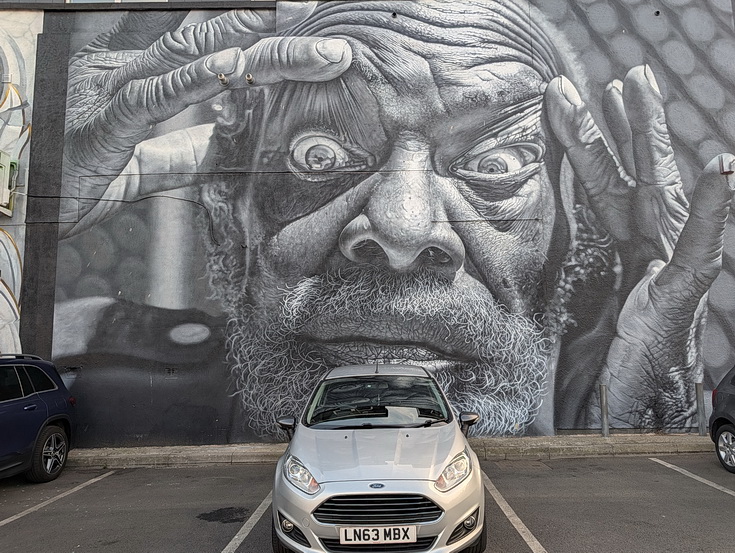
Street art seen on the way to the station.
Join the forum chat
- The River Thames – photos and stories (over 900 posts)
- Southend on Sea discussion
- Leigh On Sea free folk festival
Related posts:
 Photos from the Leigh On Sea folk festival: bands, beer, banjos, Morris dancers and crowd scenes
 Leigh-on-Sea Folk Festival 2018: Sun, music, mud, beer and flying knickers – photos
 Photos of Brentwood, Essex: closed shops, hand written bus notices and a fine pub
 Bognor Regis, East Sussex – street shots, Terry’s donuts and the run-down pier
 Canvey Island photos – sea wall murals, Concord Beach, a Dr Feelgood bench, sea views and racism
 The north bank of the Thames at low tide: bridges, chains, nets and some mudlarking
 In photos: River walk from North Greenwich to the Thames Barrier via the O2/Millennium Dome
 The River Thames at low tide: mudlarkers, sunbathers and bridges – 30 photos